
Nonprofit Data Analytics: Overview & How to Get Started
Nonprofit data analytics empowers you to collect and analyze data so that you can improve your organization. Learn more in this educational guide!
Nonprofit Data Sharing: What Your Nonprofit Needs to Know
Nonprofit data sharing is key to reporting impact, building trust, and improving partnerships. Learn how to share data while protecting donors in this guide.
Nonprofit Data Management: A Guide to Harnessing Your Data
Your nonprofit relies on the concerted efforts of its staff, board members, donors, and volunteers to carry out its mission. From fundraising to program delivery, there’s a lot to keep track of every day.
With so much to manage, how do you know that you’re allocating your budget to the right areas? How do you ensure you’re directing your outreach toward the right people?
By establishing a dedicated process for nonprofit data collection and management, your nonprofit can equip itself with valuable insights to improve decision-making, streamline operations, and make the most of its resources.

Practical Data for Nonprofits Part 5— Buckets of Reporting
You will be a lot less frustrated with your reporting if you understand that in the nonprofit sector, reports actually fall into four big buckets.
To use each of these types of reports most effectively, it’s helpful to know that you ask different questions from different types of skillsets or software depending on what you’re asking for.

Practical Data for Nonprofits Part 4 — Data is Meaningless
There is no inherent meaning in the data you store in a database or spreadsheets. The meaning is created by how you join that data together, how you package and present it on the screen, and how you program the interactions.
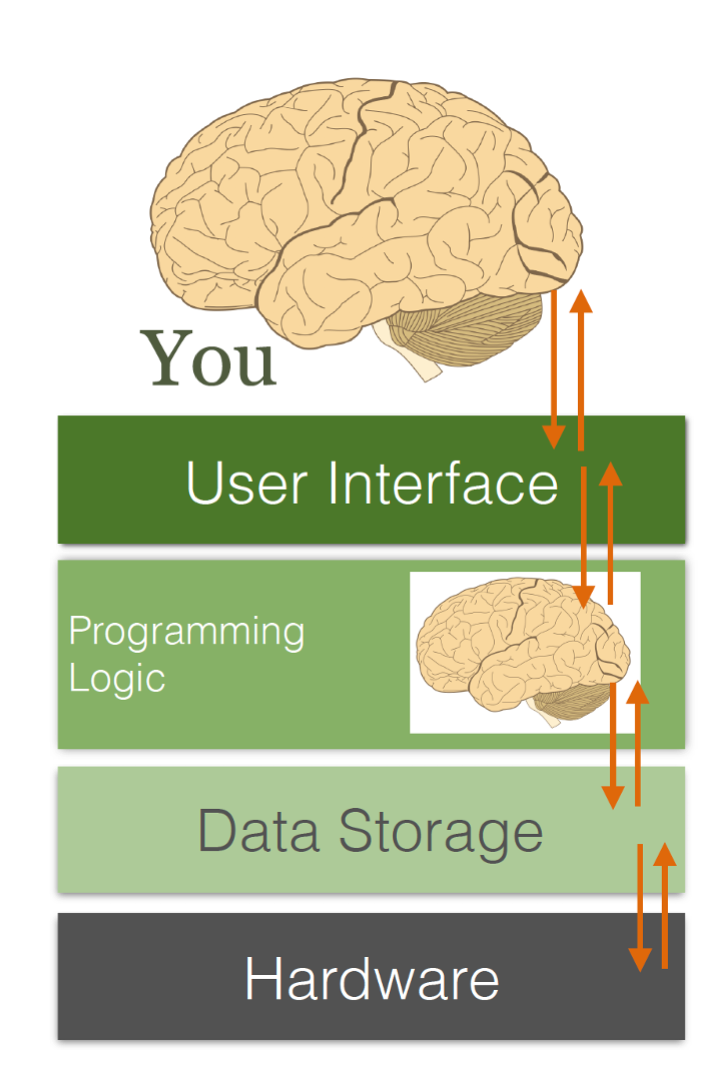
Practical Data for Nonprofits: Part 3 — Why is it so hard to change something in my database?
The technologies that run key parts of most operations — Quickbooks, Salesforce, Apricot, even that custom Filemaker database from an undisclosed number of years ago — are nothing at all like Excel or Google Docs. But because each type of system sits on a computer, it’s really common for folks to expect that one what one can do, the other can do. The tension is between the ways we use consumer tools like Excel that have a single purpose and aren’t tied to anything else, and the ways that systems which are tied to anything else must be designed.

Practical Data for Nonprofits: Part 2 — All Data Comes from Somewhere
Very simply and practically, just being aware that everything you need me to type in on a computer has a cost in time and effort is often enough to start moving in a better direction. I like to think of all processes as having a time and energy budget that I’m drawing down every day. For technology, we often have a “good will” budget as well, and it is often very small — if people already hate the database, it’s really hard to get them to try something new in it, because it depletes our good will budget daily with nothing left over.
Practical Data for Nonprofits: Part 1 — A Primer
Practical data literacy is much more than reading a chart or a graph in a report. It is the ability to think about the chain of actions and tools that led up to the graph being created in the first place and to impact that chain with confidence.